Author: Graham

  • Book: “The Essentials of Therapeutic Photography”

    Book: “The Essentials of Therapeutic Photography”

    From the Amazon rubric: The Essentials of Therapeutic Photography offers a comprehensive and practical guide to a growing field that blends visual arts with psychological wellbeing. Aimed at counsellors, psychotherapists, coaches, psychologists, and related professionals, the book explores how photography can serve as a tool for emotional expression, self-reflection, empowerment, and healing.

    The book opens by clearly defining therapeutic photography as a non-clinical, intentional use of photography to support psychological growth and insight. Unlike PhotoTherapy (a clinical intervention used in psychotherapy), therapeutic photography is typically community-based, peer-facilitated, or self-guided. It draws on concepts from art therapy, narrative psychology, mindfulness, and humanistic therapy.

    Wilson presents the psychological mechanisms underpinning the approach. These include visual self-expression, catharsis, narrative identity construction, and mindful engagement. The book traces a history of the practice from early medical uses through to digital storytelling in community mental health and advocacy work, acknowledging key contributors like Judy Weiser and David Krauss.

    The theoretical chapters link therapeutic photography to cognitive-behavioural therapy, psychoanalysis, narrative therapy, and humanistic psychology. Photography becomes both a metaphor and method for re-authoring life stories, reframing trauma, and strengthening identity. Case examples illustrate how young people, trauma survivors, and individuals with anxiety or dementia have used photography to articulate complex emotions and reclaim agency.

    The book then explores specific tools and techniques, covering cameras, lenses, lighting, editing software, and storage. Practical advice is given on how to set up sessions, guide reflective dialogue, and teach photographic skills that support emotional exploration. Several distinct methods are outlined:

    • Direct shooting, where clients actively photograph their world.
    • Long-term projects, which support personal growth over time.
    • Reflective photography, using imagery to prompt dialogue and insight.

    Applications span individual and group therapy, with separate guidance for working with children, older adults, and trauma survivors. Each population benefits differently: children externalise feelings through play, older adults reconnect with personal history, and survivors process trauma using metaphor.

    Wilson also covers diverse photographic forms: still images for quiet reflection, video for time-based narratives, and digital storytelling for multimedia expression. These allow for personal, cultural, and political voice, particularly in marginalised communities.

    A significant chapter addresses ethics. Informed consent, confidentiality, and power dynamics are all critical when dealing with images of emotional or personal significance. Wilson highlights the importance of cultural sensitivity and offers frameworks for safe group exhibitions and public sharing.

    The case studies chapter provides rich illustrations of practice. These include a young adult confronting social anxiety, a group of refugee adolescents processing identity and displacement, and an older adult with dementia engaging in reminiscence and self-recognition.

    The book concludes by guiding readers in how to develop a therapeutic photography practice, addressing training, ethics, partnerships with public bodies, and the realities of building a sustainable, part-time portfolio career. Appendices include a glossary and index for easy reference.

    Available from Amazon – https://amzn.to/3FkPSQ3 | ISBN – 979-8283864860

  • Course: The Psychology of Conceptual and Surreal Photography

    Course: The Psychology of Conceptual and Surreal Photography

    PLEASE NOTE: THIS COURSE IS FULLY BOOKED

    Sat 19 Jul 2025 – Sat 26 Jul 2025

    Overview

    This course offers a practical exploration of the psychological dimensions of conceptual and surreal photography and their relation to the human psyche. We delve into the rich history and theory behind these genres, learning how early pioneers like Man Ray and André Breton influenced contemporary practices. The course covers essential techniques such as double exposure, photomontage, digital manipulation, and narrative storytelling, enabling you to create images that evoke deep psychological and emotional responses. 

    We engage in hands-on activities designed to integrate theoretical knowledge with practical skills. These activities include a photographic scavenger hunt for symbols, creating photomontages, and developing thematic photo series. Emphasis is placed on exploring the unconscious mind, evoking feelings of the uncanny, and using photography to understand the human psyche. 

    Examining the works of contemporary artists like Erik Johansson and Brooke Shaden, we appreciate how they blend surreal elements with personal and social themes. By the end of the course, you should be equipped to produce your own conceptual and surreal photographs to convey profound meanings and impact. 

    Blending seminars, practical workshops, and critical discussions, this course guides us in creating powerful visual art to explore and communicate the complexities of the human psyche. 

    NB: While the course is photographic in nature, it does not assume any particular prior skills or training, is suitable for students at any stage in their photographic practice, and you can use any camera from a smartphone to a sophisticated digital camera.

    This course is part of the Oxford University Summer School for Adults (OUSSA) programme.

    Programme details

    Seminars

    Participants are taught in small seminar groups of up to 10 students, and receive two one-on-one tutorials with their tutor. 

    Sunday

    Seminar 1:  

    Introduction to Conceptual and Surreal Photography

    Understanding the Basics: Definitions, distinctions, historical context, and key artists.

    Seminar 2:

    Psychological Foundations: Theories related to surrealism (Freud, Lacan). The impact of visual art on the unconscious and its therapeutic potential.

    Monday

    Seminar 3

    Techniques and Tools

    Camera Techniques and Experimental Methods: Techniques for creating surreal effects. Experimentation with light and shadow.

    Seminar 4

    Digital Manipulation and Editing: Introduction to digital editing software. Techniques for digital manipulation (photomontage, double exposure).

    Tuesday

    Seminar 5

    Thematic Exploration

    Dreams and the Unconscious: Exploration of dream imagery in surreal photography. Techniques to depict the unconscious

    Seminar 6

    The Uncanny and the Familiar: Freud’s concept of the uncanny in visual arts. Evoking feelings of familiarity and strangeness.

    Wednesday

    Seminar 7

    Psychological Impact and Therapeutic Applications

    Therapeutic Photography: The role of photography in therapy. Case studies and examples of therapeutic photography.

    Seminar 8

    Conceptual Photography as a Narrative Tool: Narrative techniques in conceptual photography. Creating visual metaphors and storytelling.

    Thursday

    Seminar 9

    Integration and Practical Applications

    Symbolism and Meaning: Use of symbols and metaphors in conceptual and surreal photography. Photographic scavenger hunt for symbols.

    Seminar 10

    Emotional Abstraction: Abstract techniques to convey emotions through photography. Practical exercises in creating emotionally impactful images

    Friday

    Seminar 11

    Final Projects and Critique

    Final Project Development: Integrating theoretical knowledge with practical skills. Planning and executing a final photography project.

    Seminar 12

    Presentation and Critique: Presentation of final projects. Group critique and reflective discussion on learning outcomes and personal growth. 

  • Sentient Souls: Project Update

    Sentient Souls: Project Update

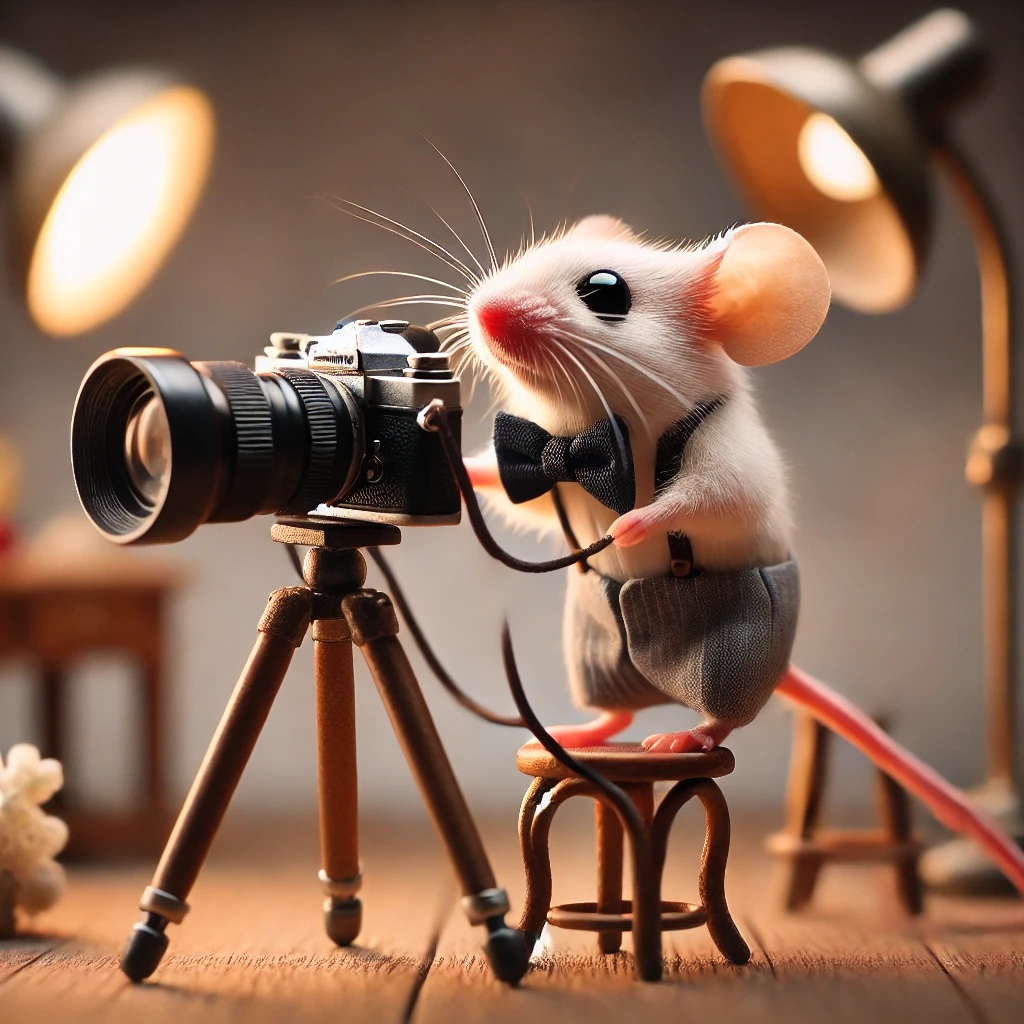
    Earlier in the month, I posted details of the first ‘pilot’ of my project “Sentient Souls”. The first set of images were of abused animals presented as photographers. Project: Sentient Souls – The Photographers – Utopia

    Having bounced this off a couple of trusted individuals, I went ahead and produced a range of these studies: In the Library, The Artist, The Gourmand, The Hunter, The Singer, and The Laboratory. Along with an expanded set of notes, they are now available as a catalogue on Amazon: https://amzn.to/3ZTVBmj

    The Singer is the only set based around one species. Chickens have a repertoire of more than 24 calls used to communicate with one another. It seemed appropriate to give them a project of their own based on different forms of song…

    After the book was produced, I was asked why I hadn’t included any turkeys. A very fair question. This led to a single image accompanied by a short story in the style of Orwell’s Animal Farm: Pilgrim’s Tale – A Christmas (and Thanksgiving) Carol – Utopia. However, in producing this image there a few alternatives that just didn’t hit the mark for me. One of these is the featured image above.

  • Pilgrim’s Tale – A Christmas (and Thanksgiving) Carol

    Pilgrim’s Tale – A Christmas (and Thanksgiving) Carol

    Pilgrim the Turkey was not like the others on the farm. When the Great Culling came, he hid in the brambles, his trembling feathers camouflaged by the thick, thorny undergrowth. From his hiding spot, he witnessed the farmer and his helpers dragging away his kin, their plaintive cries echoing in the crisp winter air. The slaughterhouse smoke rose thick and black on the horizon, marking the end of his flock and the beginning of his solitude.

    For days, Pilgrim wandered the now-silent fields, avoiding the barn where the scent of his lost companions lingered. The sheep bleated their usual ignorance, and the pigs, fat and self-satisfied, paid him no mind. Yet the hens whispered of his survival, calling him the “Last Feather,” a ghost of a bird who had outwitted the inevitable. Pilgrim, however, did not feel like a hero. He felt like a coward.

    One evening, as the setting sun cast long shadows over the farm, Pilgrim perched on the roof of the empty coop, gazing at the distant slaughterhouse. The sight of it filled him with both dread and resolve. “They will come again,” he muttered to himself. “And when they do, there must be turkeys to meet them.”

    Pilgrim’s mission began the next day. He scratched the earth with purpose, gathering worms and seeds to regain his strength. Slowly, he coaxed the hens to lend him their eggs. “It is not for me,” he assured them, his voice low and solemn. “It is for the future of the flock.”

    The pigs sneered when they heard of Pilgrim’s efforts. Napoleon, the largest and greediest, waddled up to him one morning. “Why bother?” he scoffed, his snout dripping with slop. “Turkeys are good for one thing, and it isn’t living.”

    Pilgrim met the pig’s gaze, his beady eyes shining with defiance. “Perhaps,” he said, “but even a harvest must have seeds.”

    Months passed, and Pilgrim’s small flock began to grow. He taught the young poults how to forage, how to hide, and how to recognise the farmer’s heavy boots. He warned them of the traps laid not in the woods but in their own minds—the complacency that had doomed their predecessors. “Survival,” he told them, “is an act of rebellion.”

    But as spring turned to summer, whispers began to circulate. The hens clucked nervously, and the sheep’s bleating took on a note of panic. The farmer had ordered new crates, sturdier and larger than before. Pilgrim watched as the pigs feigned ignorance, their bellies swelling with stolen corn.

    When the boots came again, Pilgrim’s flock stood ready. But to his horror, many of the young turkeys, emboldened by their training, marched willingly toward the farmer. “We will show them we are strong,” they said. Pilgrim called after them, his voice cracking with desperation. “Strength is not in sacrifice! Strength is in survival!”

    As the slaughterhouse smoke rose once more, Pilgrim perched on the hill, his feathers heavy with failure. Yet even then, he resolved to try again. For what else could a turkey do but persist?


    Turkeys as Sentient Souls: Turkeys are sentient beings capable of experiencing a range of emotions and exhibiting complex social behaviours. They form strong social bonds, display affection, and engage in communal activities. For instance, turkeys have been observed holding “great wakes” over fallen companions, indicating a capacity for empathy and mourning.

    In natural settings, turkeys can live up to 10 years, during which they develop intricate social structures within their flocks. They express emotions such as happiness and fear, and have been known to protect their young and groom each other, showcasing their affectionate nature.

    These behaviours suggest that turkeys are not mere automatons but sentient creatures with the ability to perceive and experience the world around them. Recognizing their sentience is crucial for understanding their needs and ensuring their well-being.

    The Twice Annual “Great Culling”: Each year, approximately 620 million turkeys are slaughtered worldwide for meat. In the United Kingdom, around 9 million turkeys are killed annually for human consumption. In the United States, about 250 million turkeys are slaughtered each year.

    Animal Farm: In Animal Farm by George Orwell, there is no mention of turkeys. The animals on the farm primarily include pigs, horses, dogs, sheep, hens, cows, and birds like pigeons. Each of these animals serves an allegorical purpose tied to Orwell’s critique of Soviet communism and human nature.

    Pilgrim: A nod to Thanksgiving and the turkey’s association with sacrifice, linking it to ideas of displacement and marginalisation.

    Symbolic role: A Gullible Idealist. Turkeys are often associated with being naïve or foolish in popular culture. Orwell could have used the turkey to show how well-meaning but less critical individuals were duped into supporting the revolution, only to face betrayal or elimination.

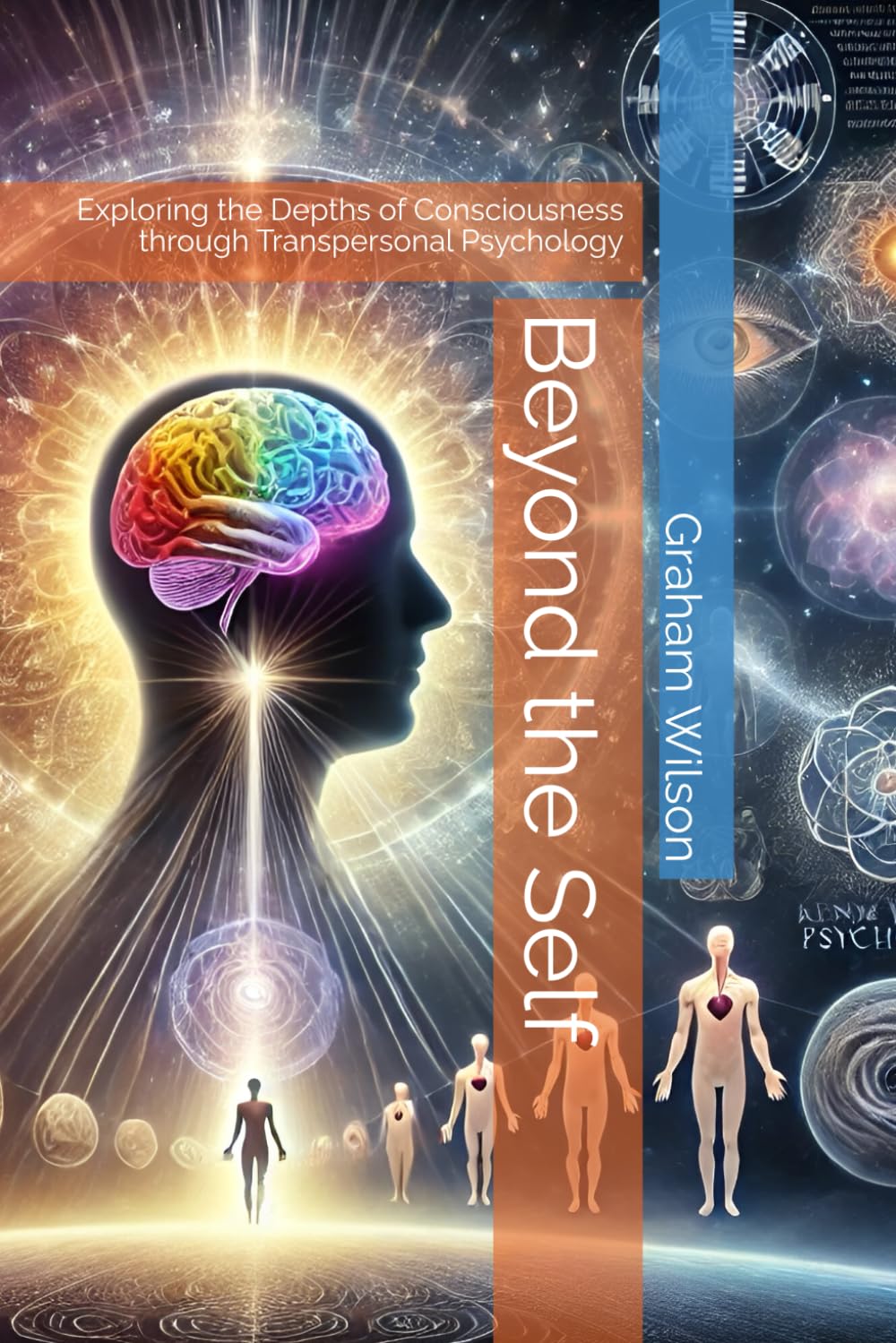
  • Book: “Beyond the Self”

    Book: “Beyond the Self”

    From the Amazon rubric: “Beyond the Self: Exploring the Depths of Consciousness through Transpersonal Psychology offers an in-depth exploration of transpersonal psychology, a field that merges spirituality with psychological science. The book provides a comprehensive overview of the spiritual dimensions of human experience, presenting a blend of theories, practices, and insights that extend beyond conventional psychology.

    The journey begins with the emergence of transpersonal psychology in the 1960s, rooted in the humanistic psychology movement. Key figures like Abraham Maslow, Carl Jung, and Ken Wilber contributed to the field by exploring concepts such as self-actualization, the collective unconscious, and the spectrum of consciousness. These foundational ideas underpin a deeper understanding of human consciousness that transcends the ego, connecting individuals with universal dimensions.

    The author elaborates on the theoretical foundations of transpersonal psychology, discussing Maslow’s extension of his hierarchy of needs to include self-transcendence, Jung’s archetypes within the collective unconscious, and Wilber’s integral theory, which synthesizes psychological and spiritual insights into a cohesive model of human development. These theories collectively offer a framework for understanding how individuals can transcend personal identity and connect with a greater cosmic or divine consciousness.

    The book also covers altered states of consciousness, a central theme in transpersonal psychology. Graham discusses practices like meditation, mindfulness, and psychedelics, which can induce these states, offering profound insights and facilitating personal transformation. Near-death experiences and creative flow are explored as additional pathways to accessing transpersonal states.

    Spiritual development throughout the life cycle is another key focus. Using models such as Fowler’s Stages of Faith and Wilber’s spectrum of consciousness, Graham examines spiritual growth across different life stages, from childhood through later adulthood. This perspective emphasizes spiritual growth as a dynamic, lifelong process.

    He provides practical guidance on transpersonal practices, including meditation, breathwork, visualization, mindfulness, and sacred rituals, as methods to foster spiritual growth and psychological well-being. These practices are presented not just as therapeutic tools but as means to deepen self-awareness and connect with the sacred.

    The book also discusses the integration of transpersonal experiences into daily life, highlighting the challenges and the transformative potential of these experiences. The author offers strategies for integration, including therapeutic support, spiritual practices, and community engagement.

    He then addresses controversies within transpersonal psychology, such as debates over its scientific rigour and the risks of cultural appropriation. He advocates for a culturally sensitive approach that honours the spiritual traditions from which transpersonal practices are derived.

    In its final chapters, the book looks to the future of transpersonal psychology, suggesting that it will increasingly integrate scientific advances, address global issues, and embrace cultural diversity. Graham envisages a future where transpersonal psychology plays a crucial role in promoting global well-being and fostering cross-cultural dialogue.

    Beyond the Self is an essential read for those interested in the intersection of psychology and spirituality. It offers a scholarly overview of transpersonal psychology and practical tools for personal growth, making it accessible to both academics and practitioners. Through this book, readers are invited to explore the transformative potential of transpersonal psychology for individuals and society alike.”

    The book is intended to accompany my 10 week Continuing Education course which begins in January 2025: https://www.conted.ox.ac.uk/courses/introduction-to-transpersonal-psychology.

  • Project: Sentient Souls – The Photographers

    Project: Sentient Souls – The Photographers

    Sentience

    New methods, such as electroencephalography (EEG), positron-emission tomography (PET-scanning), magneto-encephalography (MEG), and frequency-modulated magnetic resonance imaging (fMRI), have led to a substantial revision of our understanding of the meaning and consequences of ‘sentience’.

    Sentience goes beyond merely having feelings. A sentient being is one that has some ability to evaluate the actions of others in relation to itself and third parties, it can remember some of its own actions and their consequences, assess risks and benefits. The concept of sentience has parallels with ideas of the soul or psyche that have often been used to propose that humans are fundamentally different from other animals. Current research on the components of sentience shows that humans share cognitive and emotional abilities with many other animals.

    The Animal Welfare (Sentience) Act 2022 recognises animal sentience in law for the first time. The scope of the legislation includes all vertebrates and some invertebrates such as octopuses and lobsters.

    The Project

    A series of images of animals known to be sentient, that are routinely farmed, used for experiments, or otherwise abused in the UK. The images try to illustrate the intelligence of the animals – in this series, demonstrating their skills as photographers. The images are to be produced as greeting cards and larger prints for sale.

    [metaslider id=”1592″]
    GoatsGoats in the dairy industry often suffer from overmilking, leading to mastitis, and unwanted kids are frequently culled. Data on goat slaughter in the UK is limited. However, the number is significantly lower than for cattle or sheep, likely in the tens of thousands annually.
    Male calvesIn the dairy industry, male calves are often considered a by-product. While specific UK figures are scarce, in October 2024, 204 thousand steers, heifers, and young bulls were slaughtered. Many will have been raised in confined spaces with restricted movement.
    Male chicksIn the egg industry, male chicks are culled shortly after hatching. Approximately 29 million male chicks are killed each year in the UK, often by maceration or gassing, as they do not lay eggs and are unsuitable for meat production.
    ChickensEvery WEEK, we slaughter 22 MILLION chickens in the UK, the vast majority are for humans to eat. A small proportion are chickens that have been used for egg ‘production’ and that no longer meet their targets!
    MiceIn 2022, over 2 million mice were used in scientific procedures in the UK.  Mice in laboratories are often subject to painful experiments, kept in small cages, and generally ‘euthanised’ after testing. Their use is ‘justified’ because of practicality, their genetic and immune system similarities to humans, short lifespan and high rate of reproduction. Advances in technology, such as organ-on-a-chip models and computational simulations, slowly offer alternatives to using animal ‘models’ in research.
    PigsPigs endure overcrowding, tail docking without anaesthesia, and are often kept in barren, confined spaces. Sows are confined to farrowing crates, unable to move freely.  The UK slaughters millions of pigs annually for meat. In October 2024 alone, about 966,000 clean pigs were slaughtered.
    SalmonThe UK is a major producer of farmed salmon. While exact numbers are not readily available, it’s estimated that tens of millions are harvested annually.  Farmed salmon live in crowded pens, suffer from diseases and parasites, and endure stressful slaughter methods such as suffocation or being clubbed.
    SheepSheep are subjected to painful procedures such as mulesing without pain relief, shearing injuries, and live export journeys under harsh conditions.  The UK slaughters millions of sheep each year. In October 2024, approximately 1,088,000 clean sheep were slaughtered.

    Criticisms of this approach – particularly from within the Animal Rights activist community

    1. Trivializing the Issue

    • Some activists may feel that using humour to highlight the intelligence of sentient animals risks trivializing their suffering. By presenting the issue in a light-hearted way, the severity of the abuse and exploitation might be overshadowed or diluted.

    2. Anthropomorphism Concerns

    • Critics could argue that portraying animals in human roles, such as scholars, scientists, or photographers, reinforces an anthropocentric perspective. This might unintentionally suggest that animals deserve moral consideration only if they exhibit traits that align with human definitions of intelligence.

    3. Potential for Misinterpretation

    • The humour might be misinterpreted by some viewers as purely entertaining rather than carrying a serious message. This could lead to the message being overlooked or dismissed, reducing the campaign’s effectiveness.

    4. Exclusion of Emotional and Ethical Dimensions

    • By focusing on intelligence, the campaign may exclude other important reasons to respect animals, such as their capacity to feel pain, form bonds, and experience joy and suffering. Activists may argue that intelligence shouldn’t be a prerequisite for ethical treatment.

    5. Overlooking Broader Systemic Issues

    • Some activists might view this approach as too individualized and disconnected from systemic critiques of animal exploitation industries. They might argue that it doesn’t address larger issues like capitalism, environmental degradation, and speciesism, which perpetuate abuse.

    6. Appealing to the Wrong Audience

    • If the target audience is indifferent or resistant to animal rights, the humour could backfire, making the subject seem less serious or giving the impression that activists are not deeply committed to their cause.

    7. Reinforcement of Consumerism

    • By presenting polished, professional, and humorous content, some might argue this approach risks mimicking advertising aesthetics, potentially aligning with the very consumerist mindset that perpetuates animal exploitation.

    8. Missing an Opportunity for Emotional Connection

    • Activists may argue that appeals to empathy and emotional connections, such as showing animals in natural behaviours or highlighting their suffering directly, can be more impactful and transformative for audiences than humour.

    The rationale for the project

    The goal is not to diminish the gravity of animal suffering but to create an alternative way of engaging people who might otherwise remain indifferent.

    1. Engaging a Wider Audience

    • Humour can serve as an effective icebreaker, drawing in individuals who might otherwise resist or avoid animal rights discussions. It creates an approachable entry point for a topic that many find uncomfortable or overwhelming.
    • By appealing to a broader audience, this approach can reach beyond the “converted” and engage those less familiar with animal rights issues.

    2. Reducing Psychological Defensiveness

    • A humorous tone can lower emotional barriers and defensiveness, making people more receptive to new ideas. When people feel less attacked or guilty, they are more likely to consider alternative perspectives.
    • The subtlety in the messaging avoids the confrontational tone that some may associate with animal rights activism, fostering curiosity rather than resistance.

    3. Encouraging Reflection Through Satire

    • Humour and satire can be powerful tools for encouraging self-reflection. By depicting animals in intelligent or creative roles, the absurdity of their exploitation is highlighted, prompting viewers to question the moral inconsistencies in their treatment of animals.

    4. Showcasing Animals’ Unique Qualities

    • By humorously portraying animals in intelligent or unexpected roles, this approach invites viewers to think about animals in ways they might not have before, breaking stereotypes and expanding empathy.
    • It emphasizes the idea that animals have intrinsic worth and abilities, shifting the narrative from seeing them solely as commodities.

    5. Creating Memorable and Shareable Content

    • Humour tends to be more memorable and shareable, especially in the age of social media. Images or campaigns that make people smile or laugh are more likely to be circulated, spreading the message to a larger audience.
    • This virality can amplify awareness and bring the issue into mainstream conversations in a non-confrontational way.

    6. Opening Doors for Deeper Conversations

    • Humour can act as a gateway for deeper, more serious discussions. After engaging with lighthearted content, individuals may be more open to learning about the ethical, environmental, or health issues related to animal exploitation.

    7. Demonstrating Compassion in Activism

    • A humorous approach reflects the creativity, compassion, and humanity of the activist, countering stereotypes of animal rights activists as overly angry or judgmental. This can help build bridges with skeptics or critics.

    8. Highlighting the Absurdity of Exploitation

    • By humorously juxtaposing animals’ intelligence with their treatment in society, this approach subtly underscores the moral contradiction in exploiting sentient beings capable of thought and emotion.

    9. Cultural Relevance

    • In a culture where entertainment dominates attention spans, this approach aligns with current trends, making animal rights advocacy more culturally relevant and relatable.

    10. Complementing Other Approaches

    • This method can complement more direct and emotionally charged campaigns. Together, they provide a diverse toolkit for reaching different audiences and addressing various dimensions of the issue.