Category: Books & Publications

  • Book: “The Psychology of Place: A Guide to Psychogeography for Photographers”

    Book: “The Psychology of Place: A Guide to Psychogeography for Photographers”

    From the Amazon rubric: “The Psychology of Place – A Guide to Psychogeography for Photographers explores how urban environments shape perception, emotion, and behaviour, and how photography can investigate these relationships. Drawing on Guy Debord and the Situationist International, it introduces psychogeography as a way to understand the emotional contours of cities through exploratory wandering. The book weaves in later insights from sociology, geography, and photographic practice to build a practical, reflective framework for contemporary image‑making.

    It argues that the city is not a neutral backdrop but an active force influencing how people feel and act. Streets, buildings, infrastructure, and public spaces guide movement, attention, and social interaction. Referencing thinkers such as Henri Lefebvre and Pierre Bourdieu, the text shows how power, social relations, and cultural histories become embedded in space, giving urban environments layers of meaning beyond their physical form.

    A central method is the dérive, or drift, in which individuals move through the city guided by curiosity rather than purpose. This mode of walking disrupts habitual routes and reveals overlooked spaces, transitions between districts, and subtle shifts in atmosphere. It encourages heightened attention to light, sound, texture, and spatial arrangement. Through repeated exploration, patterns emerge in how environments shape emotional responses.

    Photography functions as both observation and interpretation. The camera records fragments of urban experience, from architectural details to traces of daily life. Psychogeographic photography has no fixed style: some images follow documentary clarity, while others use reflections, layering, or weather to evoke sensory experience. What matters is the relationship between image and place rather than adherence to aesthetic conventions.

    The book also examines how photographers construct meaning through selection, framing, and sequencing. Individual images rarely stand alone; sequences reveal movement, changing atmospheres, and contrasts across the city. Photography thus becomes a form of inquiry into urban structure and experience.

    Ethical and political concerns run throughout. Urban spaces reflect inequalities of wealth, access, and power, and photographic representation shapes how these spaces are understood. The book encourages reflexivity, asking photographers to consider how their background influences what they see and how they depict it. Issues such as surveillance, public space, and responsibilities toward communities are addressed.

    Across its chapters, the text moves from theory to practice. It explores how perception is shaped by social experience, how urban form influences behaviour, and how walking can serve as research. It then develops photographic strategies for documenting and interpreting place, including mapping, sequencing, and reflective practice.

    The final sections emphasise psychogeography as an ongoing process rather than a fixed method. Cities change continually, and repeated exploration reveals new relationships between environment, memory, and experience. Photography becomes part of this evolving engagement, offering a way to record and reflect on encounters with the urban world.

    Overall, the book positions psychogeographic photography as both a way of seeing and a way of thinking. It invites photographers to move beyond surface description and engage critically with the spaces they inhabit, allowing the city to emerge as a dynamic field of meaning shaped by structure and lived experience.”

    Copies in all three formats – hardback, paperback, and ebook – can be obtained from Amazon – https://amzn.to/4vimtdw
  • Book: “The Essentials of Therapeutic Photography”

    Book: “The Essentials of Therapeutic Photography”

    From the Amazon rubric: The Essentials of Therapeutic Photography offers a comprehensive and practical guide to a growing field that blends visual arts with psychological wellbeing. Aimed at counsellors, psychotherapists, coaches, psychologists, and related professionals, the book explores how photography can serve as a tool for emotional expression, self-reflection, empowerment, and healing.

    The book opens by clearly defining therapeutic photography as a non-clinical, intentional use of photography to support psychological growth and insight. Unlike PhotoTherapy (a clinical intervention used in psychotherapy), therapeutic photography is typically community-based, peer-facilitated, or self-guided. It draws on concepts from art therapy, narrative psychology, mindfulness, and humanistic therapy.

    Wilson presents the psychological mechanisms underpinning the approach. These include visual self-expression, catharsis, narrative identity construction, and mindful engagement. The book traces a history of the practice from early medical uses through to digital storytelling in community mental health and advocacy work, acknowledging key contributors like Judy Weiser and David Krauss.

    The theoretical chapters link therapeutic photography to cognitive-behavioural therapy, psychoanalysis, narrative therapy, and humanistic psychology. Photography becomes both a metaphor and method for re-authoring life stories, reframing trauma, and strengthening identity. Case examples illustrate how young people, trauma survivors, and individuals with anxiety or dementia have used photography to articulate complex emotions and reclaim agency.

    The book then explores specific tools and techniques, covering cameras, lenses, lighting, editing software, and storage. Practical advice is given on how to set up sessions, guide reflective dialogue, and teach photographic skills that support emotional exploration. Several distinct methods are outlined:

    • Direct shooting, where clients actively photograph their world.
    • Long-term projects, which support personal growth over time.
    • Reflective photography, using imagery to prompt dialogue and insight.

    Applications span individual and group therapy, with separate guidance for working with children, older adults, and trauma survivors. Each population benefits differently: children externalise feelings through play, older adults reconnect with personal history, and survivors process trauma using metaphor.

    Wilson also covers diverse photographic forms: still images for quiet reflection, video for time-based narratives, and digital storytelling for multimedia expression. These allow for personal, cultural, and political voice, particularly in marginalised communities.

    A significant chapter addresses ethics. Informed consent, confidentiality, and power dynamics are all critical when dealing with images of emotional or personal significance. Wilson highlights the importance of cultural sensitivity and offers frameworks for safe group exhibitions and public sharing.

    The case studies chapter provides rich illustrations of practice. These include a young adult confronting social anxiety, a group of refugee adolescents processing identity and displacement, and an older adult with dementia engaging in reminiscence and self-recognition.

    The book concludes by guiding readers in how to develop a therapeutic photography practice, addressing training, ethics, partnerships with public bodies, and the realities of building a sustainable, part-time portfolio career. Appendices include a glossary and index for easy reference.

    Available from Amazon – https://amzn.to/3FkPSQ3 | ISBN – 979-8283864860

  • Sentient Souls: Project Update

    Sentient Souls: Project Update

    Earlier in the month, I posted details of the first ‘pilot’ of my project “Sentient Souls”. The first set of images were of abused animals presented as photographers. Project: Sentient Souls – The Photographers – Utopia

    Having bounced this off a couple of trusted individuals, I went ahead and produced a range of these studies: In the Library, The Artist, The Gourmand, The Hunter, The Singer, and The Laboratory. Along with an expanded set of notes, they are now available as a catalogue on Amazon: https://amzn.to/3ZTVBmj

    The Singer is the only set based around one species. Chickens have a repertoire of more than 24 calls used to communicate with one another. It seemed appropriate to give them a project of their own based on different forms of song…

    After the book was produced, I was asked why I hadn’t included any turkeys. A very fair question. This led to a single image accompanied by a short story in the style of Orwell’s Animal Farm: Pilgrim’s Tale – A Christmas (and Thanksgiving) Carol – Utopia. However, in producing this image there a few alternatives that just didn’t hit the mark for me. One of these is the featured image above.

  • Book: “Beyond the Self”

    Book: “Beyond the Self”

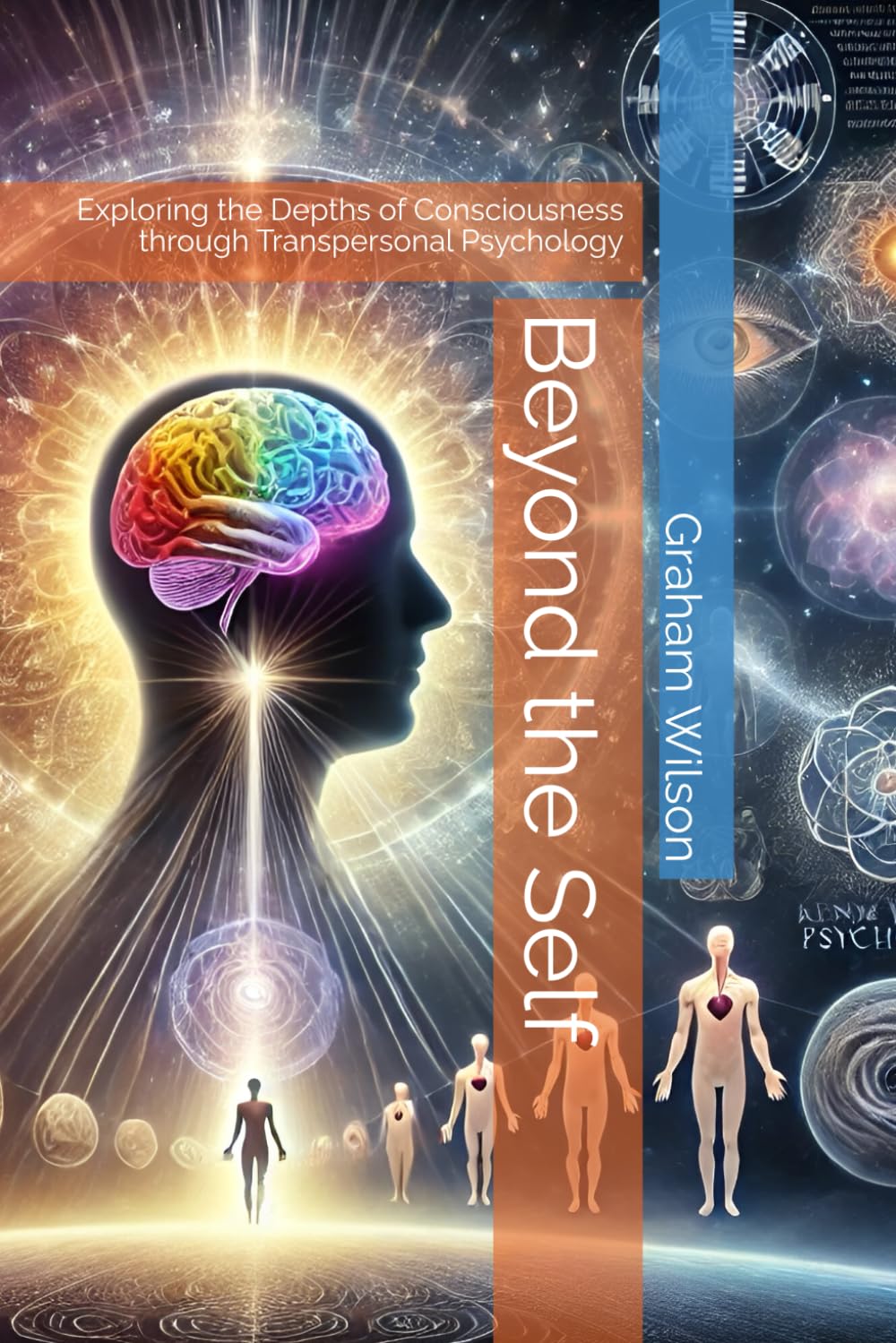
    From the Amazon rubric: “Beyond the Self: Exploring the Depths of Consciousness through Transpersonal Psychology offers an in-depth exploration of transpersonal psychology, a field that merges spirituality with psychological science. The book provides a comprehensive overview of the spiritual dimensions of human experience, presenting a blend of theories, practices, and insights that extend beyond conventional psychology.

    The journey begins with the emergence of transpersonal psychology in the 1960s, rooted in the humanistic psychology movement. Key figures like Abraham Maslow, Carl Jung, and Ken Wilber contributed to the field by exploring concepts such as self-actualization, the collective unconscious, and the spectrum of consciousness. These foundational ideas underpin a deeper understanding of human consciousness that transcends the ego, connecting individuals with universal dimensions.

    The author elaborates on the theoretical foundations of transpersonal psychology, discussing Maslow’s extension of his hierarchy of needs to include self-transcendence, Jung’s archetypes within the collective unconscious, and Wilber’s integral theory, which synthesizes psychological and spiritual insights into a cohesive model of human development. These theories collectively offer a framework for understanding how individuals can transcend personal identity and connect with a greater cosmic or divine consciousness.

    The book also covers altered states of consciousness, a central theme in transpersonal psychology. Graham discusses practices like meditation, mindfulness, and psychedelics, which can induce these states, offering profound insights and facilitating personal transformation. Near-death experiences and creative flow are explored as additional pathways to accessing transpersonal states.

    Spiritual development throughout the life cycle is another key focus. Using models such as Fowler’s Stages of Faith and Wilber’s spectrum of consciousness, Graham examines spiritual growth across different life stages, from childhood through later adulthood. This perspective emphasizes spiritual growth as a dynamic, lifelong process.

    He provides practical guidance on transpersonal practices, including meditation, breathwork, visualization, mindfulness, and sacred rituals, as methods to foster spiritual growth and psychological well-being. These practices are presented not just as therapeutic tools but as means to deepen self-awareness and connect with the sacred.

    The book also discusses the integration of transpersonal experiences into daily life, highlighting the challenges and the transformative potential of these experiences. The author offers strategies for integration, including therapeutic support, spiritual practices, and community engagement.

    He then addresses controversies within transpersonal psychology, such as debates over its scientific rigour and the risks of cultural appropriation. He advocates for a culturally sensitive approach that honours the spiritual traditions from which transpersonal practices are derived.

    In its final chapters, the book looks to the future of transpersonal psychology, suggesting that it will increasingly integrate scientific advances, address global issues, and embrace cultural diversity. Graham envisages a future where transpersonal psychology plays a crucial role in promoting global well-being and fostering cross-cultural dialogue.

    Beyond the Self is an essential read for those interested in the intersection of psychology and spirituality. It offers a scholarly overview of transpersonal psychology and practical tools for personal growth, making it accessible to both academics and practitioners. Through this book, readers are invited to explore the transformative potential of transpersonal psychology for individuals and society alike.”

    The book is intended to accompany my 10 week Continuing Education course which begins in January 2025: https://www.conted.ox.ac.uk/courses/introduction-to-transpersonal-psychology.

  • Book: “The Art of Less”

    Book: “The Art of Less”

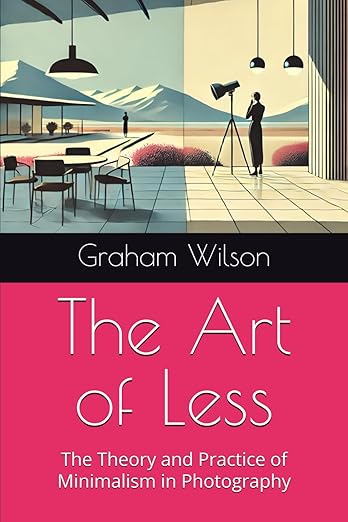
    The Art of Less explores minimalist photography, focusing on simplicity, clarity, and intentionality. This book bridges the gap between basic photography manuals and complex academic literature, offering both practical and theoretical insights into the minimalist approach. It emphasizes that minimalist photography is not just about reducing visual elements but about revealing the essence of a subject through restraint and thoughtful composition.

    Minimalism in photography challenges the photographer to make intentional choices about what to include and, more importantly, what to exclude. It draws from the broader minimalist movement in art and design, which focuses on the idea that “less is more.” Minimalist photographers aim to distill scenes into their essential components, often using negative space, limited color palettes, and simple geometric shapes to create powerful images. The result is a sense of calm, balance, and emotional depth.

    One of the key concepts in minimalist photography is negative space, which plays a critical role in directing attention to the subject and creating a feeling of openness and simplicity. Negative space is not merely empty space but a crucial element that provides context, balance, and mood. It helps the photographer emphasize the subject’s significance, evoke emotions like solitude or tranquility, and enhance the overall impact of the image.

    Texture and pattern are important aspects of minimalist photography as well, adding layers of interest and depth without complicating the composition. Texture, particularly when emphasized through lighting and close-up photography, can bring an image to life, engaging the viewer’s tactile senses. Similarly, patterns—whether found in nature or architecture—introduce rhythm and structure to a photograph, creating a sense of harmony and order.

    The philosophy of minimalism goes beyond the visual and technical aspects of photography. It is a way of seeing the world more clearly, engaging with one’s surroundings mindfully, and focusing on the essentials. Minimalist photography encourages the photographer to slow down, be fully present, and appreciate the beauty in simplicity. This approach fosters a deeper connection between the photographer and the subject, often resulting in images that are not only visually compelling but emotionally resonant.

    Storytelling through minimalist photography is another key theme explored in the book. While minimalist images may appear simple, they can convey complex narratives and deep emotions. By isolating a subject or using suggestion and symbolism, photographers can tell powerful stories with minimal elements. The ability to evoke emotion and meaning through reduction is one of the most challenging yet rewarding aspects of minimalist photography.

    As minimalism becomes a broader lifestyle choice, the book also touches on how this philosophy can be applied beyond photography. Minimalism encourages living with intentionality, reducing distractions, and focusing on what truly matters—principles that can be applied to everyday life as well as to creative practice. Whether in photography, design, or daily living, minimalism emphasizes clarity, mindfulness, and the pursuit of simplicity.

    The book offers numerous practical exercises for photographers looking to develop a minimalist style. These exercises encourage readers to experiment with composition, light, and shadow, and to think critically about their creative choices. The goal is to help photographers refine their skills and create a cohesive body of work that reflects the minimalist ethos.

    Ultimately, The Art of Less teaches that minimalist photography is about more than aesthetics—it is a discipline that requires focus, intention, and continuous practice. Through this journey, photographers learn to find beauty in simplicity, to convey meaning with fewer elements, and to create images that resonate deeply with viewers. Minimalism, in both photography and life, offers a way to focus on what is essential, allowing clarity, depth, and meaning to emerge.

    ISBN: 979-8338616048 | £7.99 PBK | £3.99 EBK | Published 08/09/2024

  • Book: “The Empathic Lens”

    Book: “The Empathic Lens”

    Creating Intimate Visual Narratives with Photography

    “The Empathic Lens” by Graham Wilson is a comprehensive guide for photographers who wish to create intimate visual narratives. The book emphasises the power of visual storytelling as a means to communicate deeply personal and emotional stories that transcend cultural and language barriers. Your journey through this book will enhance your ability to connect with your audience on a profound level by delving into the personal, vulnerable, and deeply human aspects of life.

    You will explore the concept of intimacy in visual storytelling, learning how to convey closeness and personal connection through your images. This involves developing a keen sense of observation and a deep understanding of your subjects, often building trust and spending significant time with them to capture moments that reveal their essence. By doing so, your work will evoke empathy and a sense of shared humanity among your audience.

    The psychological impact of intimate storytelling is a crucial theme. As a visual storyteller, you will embark on a journey of self-discovery and emotional exploration. This process can be both cathartic and challenging, requiring you to confront and express your vulnerabilities. The audience, in turn, experiences a deep emotional connection with your work, fostering empathy and understanding.

    The historical context provided in the book highlights how pioneers like Dorothea Lange, Walker Evans, Ingmar Bergman, and François Truffaut used their mediums to document personal struggles and explore deeply personal themes. Contemporary artists like Nan Goldin and Sally Mann continue this tradition, pushing boundaries and challenging conventional notions of beauty and propriety.

    Developing a unique visual language is essential for effective storytelling. You are encouraged to experiment with different techniques and styles, honing your personal style and voice. The relationship between form and content in your work is crucial, with visual choices enhancing and supporting the story you are telling. Crafting a narrative involves arranging your images to create a coherent and engaging story, considering structure, pacing, character development, and setting.

    Mastering technical aspects such as lighting, composition, and camera settings is vital for conveying your stories effectively. You are also introduced to multimedia storytelling, incorporating elements like text, sound, and video to add new dimensions to your narratives.

    Finding inspiration is a continuous process, drawing from personal experiences, other artists’ work, literature, music, nature, travel, and current events. Techniques for fostering creativity include mindfulness, experimentation, collaboration, and continuous learning. Overcoming creative blocks involves changing your environment, setting small goals, using prompts, revising old work, and embracing constraints.

    Sharing your work is an important part of the storytelling process. Building an audience through social media, exhibitions, and publications allows you to create connections and spark conversations. Ethical considerations are paramount, ensuring your work respects and accurately represents your subjects.

    Reflecting and growing as a visual storyteller is an ongoing process. Regular reflection on your work, seeking feedback, and staying curious and open to new ideas will help you evolve. The book encourages you to embrace your journey, using the practical advice, inspiration, and insights provided to become a more effective and expressive visual storyteller. Through “The Empathic Lens,” you will learn to create powerful, intimate visual narratives that resonate deeply with your audience.

    ISBN 979-8332057083 – Paperback £11.99 – 4 July 2024 – https://amzn.to/3WlyPTV